
0512-5976763

日期:2026-01-14
I'm noticing that the user is asking a question in Chinese about why experts rarely dribble aimlessly in sports, probably basketball. The phrase "运球" definitely refers to dribbling a basketball, and "乱运球" means unnecessary or flashy dribbling. I’ll need to clarify that this behavior is often a result of expertise, as experienced players tend to prioritize efficiency and purpose in their movements. It’s important to provide a thoughtful answer that resonates with their inquiry!I'm thinking about why experts in basketball rarely dribble aimlessly. Efficiency is key; it helps create advantages, manage risks, and time plays effectively. Players with elite ball-handling skills use purposeful dribbles to protect the ball or create opportunities. Coaching principles emphasize having a specific purpose for each dribble and minimizing unnecessary movements. Concepts like “one purpose per dribble” and “0.5 principle” highlight the need for quick decision-making. While isolation players may dribble more, it’s still strategic and not random, which is interesting!I want to discuss how to avoid unnecessary dribbling in basketball. Techniques include using triple threat positions, jab steps, and body fakes, as well as dribble limits like the "two-dribble rule." Keeping your eyes up while dribbling helps map defenders, and early pickups can lead to passes. At higher levels, extra dribbles can be punished with turnovers, so it's important to focus on purposeful movements. I’ll also mention good reasons for dribbling, like creating angles and breaking pressure, versus bad reasons like showing off. It's interesting how effective handling can be used right after catching the ball, too!I need to keep things concise and useful, focusing on actionable tips. I should emphasize the difference between training and game contexts: in training, freestyle dribbling can help build skills, while in games, it’s important to minimize unnecessary movements.
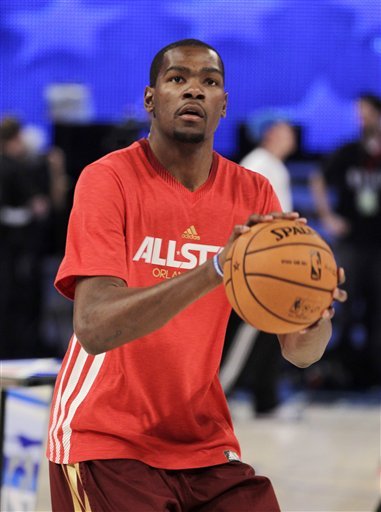
Here are some quick tips:
If the user wants drills or film examples, I could ask if they’re interested in a training plan!
因为高手的运球是“有目的的动作”,不是“占着球的习惯”。主要原因:
例外不是“乱运”,而是“高级操控”:像持球大核心(Harden、Doncic、Kyrie)看似运很多,但每一下都在计时、牵制弱侧、诱导协防、布置掩护角度。
想练到“少而准”的办法:
如果你愿意,我可以按你位置和打法给一套“低运球高效率”的训练菜单和常见比赛决策脚本。
地址:湖南省张家界市桑植县麦地坪白族乡
电话:0512-5976763
邮箱:admin@golbe-hupu.com